
The story of the Witch of Endor has long been one of my favorites in the Bible. It’s quite spooky, feeling in some ways more like an event from Greek mythology than a biblicat tale. It’s also one of the few stories that involves any sense of life after death, of which Judaism has several seemingly contradictory views.
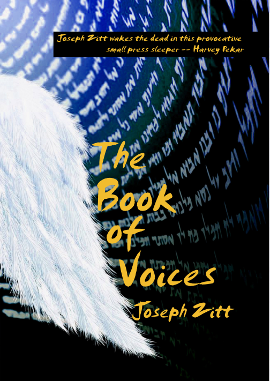
In writing this, about a quarter of the way into the writing of The Book of Voices, I found myself laying out the concept of death and the passage of souls that runs throughout the book. This idea, of souls merging into a general loam of soul-stuff then recombining with fragments of other souls to form new ones, is not a traditional Jewish concept. But I’ve run with it in telling these tales. (Perhaps if enough people read them and talk about them, it will become a traditional Jewish concept, in the way that many other ideas have done so over time.)
Questions
What, if anything, do you believe about what happens to the soul after death? What you would like to be true? If they are the same, to what extent does your desire for it to be true affect your sense that it is? What, if anything, would change your mind? Would you be happy or sad if another belief turned out to be true?
Recent Comments